
In short: Estate planning for artists means deciding, while you can, who will own and look after your work and your copyright when you die. The basics are a will, an executor, and ideally a “cultural executor” who understands the art. Just as important is an inventory of what exists, good photographs, and a plan for archives. These steps were urged on artists with AIDS in the 1990s and apply to every artist today. This page is general information, not legal advice.
In the early 1990s the Estate Project for Artists with AIDS saw the same story again and again. An artist died young without a will. The work passed to relatives by default, under state law. Some families cared for it; others sold it cheaply, gave it away or threw it out. Scores, tapes and notebooks went missing. The Project’s guide Future Safe told artists that the answer was planning, not luck, and that advice still holds.
This guide sets out the main steps in plain language. For the history of the Project itself, see our page on the Estate Project for Artists with AIDS. Rules differ between countries and US states, so use this as a checklist to take to a lawyer.
Why artists need a plan
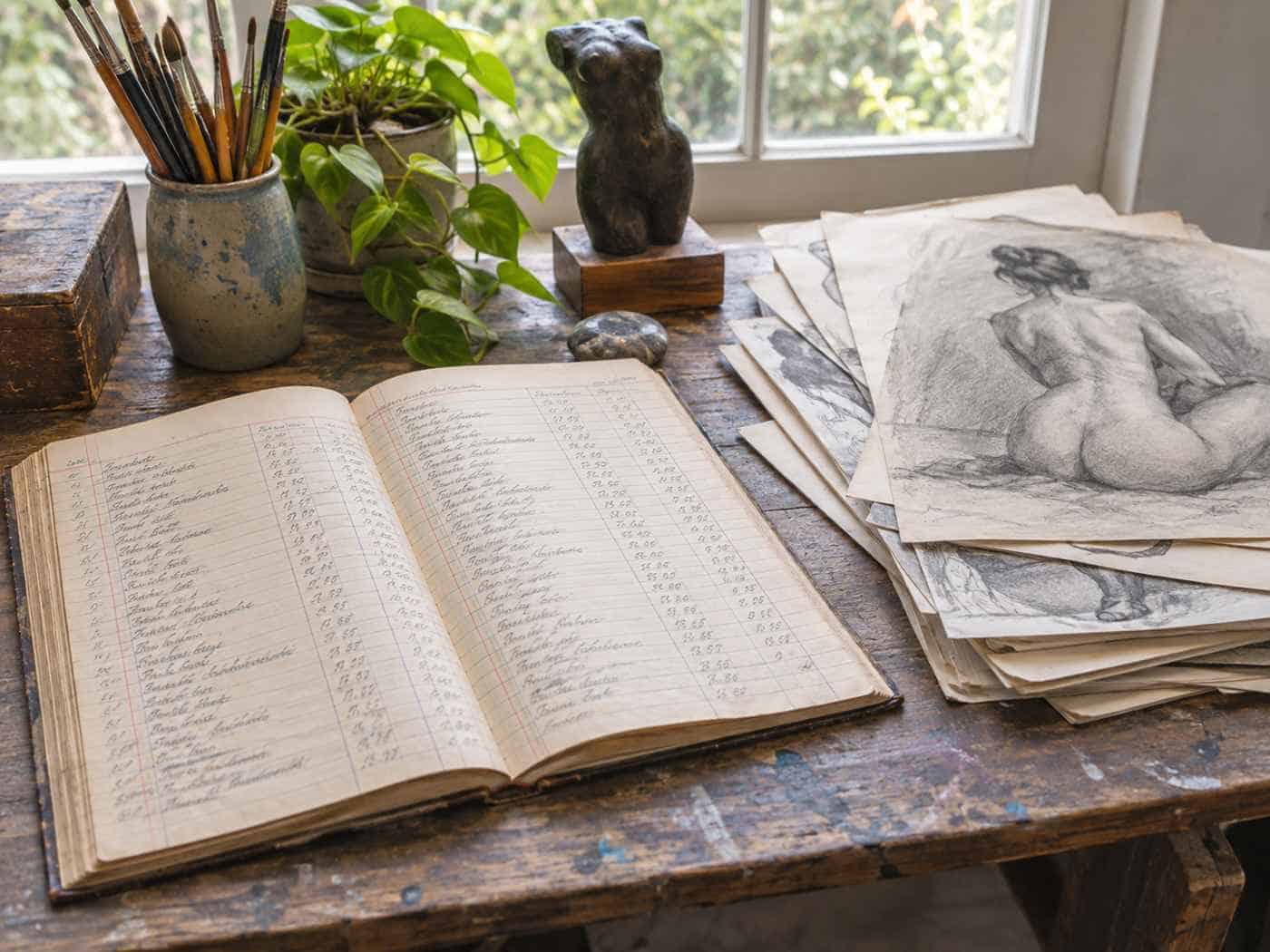
An artist’s estate is unusual. It may hold hundreds of works with no fixed market value, plus rights to reproduce them that can earn money for decades. In the United States and the European Union, copyright generally lasts for the author’s life plus 70 years. Someone will own those rights after you die. Without a will, the law decides who.
The Joan Mitchell Foundation, which runs one of the best free programmes on this subject, puts it simply in its Estate Planning Workbook for Visual Artists: a plan lets your legacy be preserved in your own voice. The same is true for composers, writers, choreographers and filmmakers.
Step 1: make a will
A will names who receives your property, including artworks and copyrights, and who will carry out your wishes. It can split physical works and rights between different people. You might leave paintings to a partner, give a set of works to a museum, and leave copyright to a trust or foundation. A lawyer can also advise on trusts, which can avoid probate and keep a body of work together.
During the AIDS crisis, many partners had no legal standing at all. A will was often the only way an artist could make sure that the person who had cared for them, and for the work, kept control of it.
Step 2: choose an executor and a cultural executor
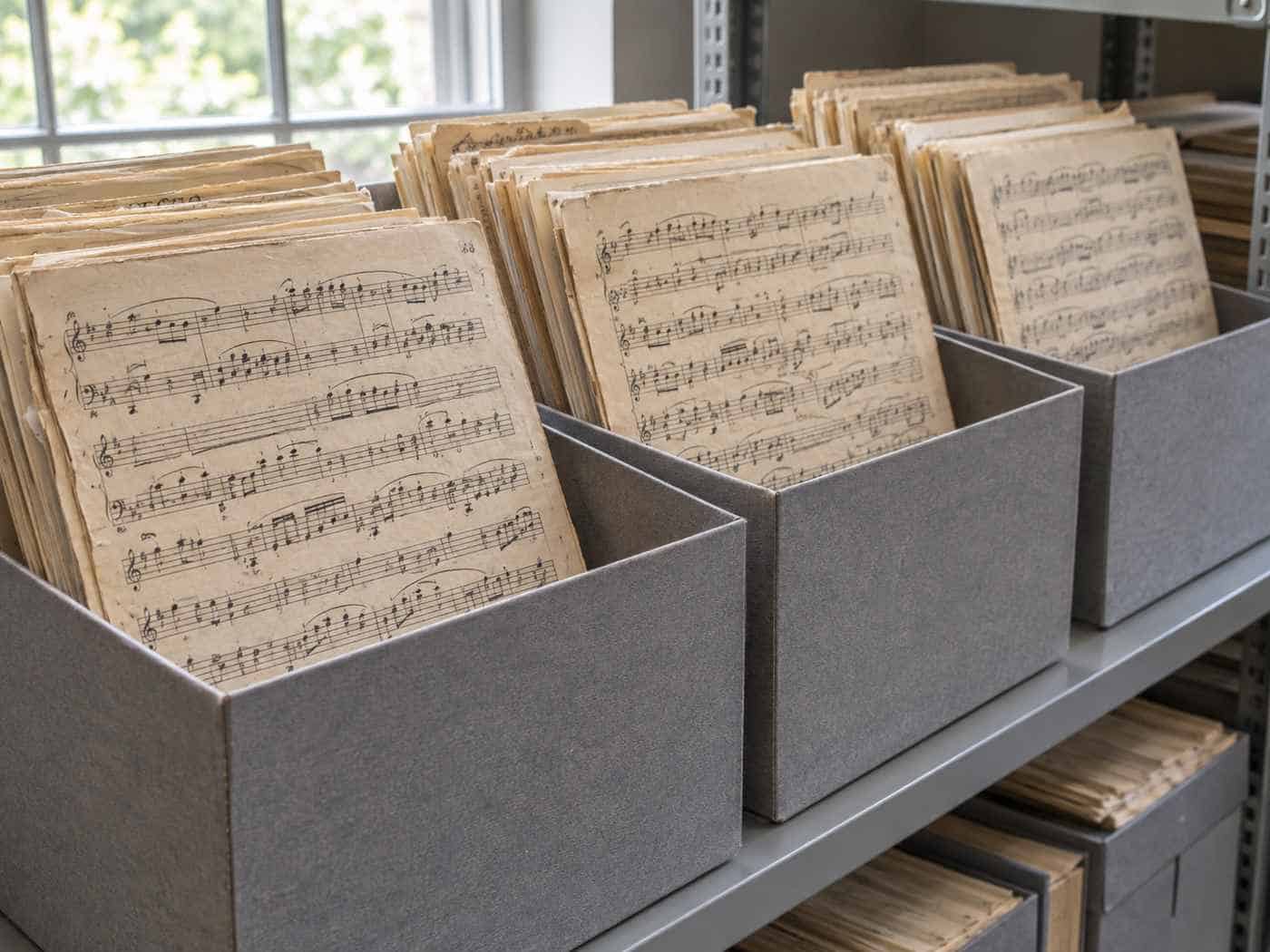
The executor manages the legal process of settling an estate. That person may be a lawyer, but need not be. Many artists also name a cultural executor: someone who understands the work and is given power to manage sales, exhibitions, licences and archives, or to advise the legal executor. The Joan Mitchell workbook recommends thinking about both roles early and talking to the people concerned before naming them.
Composer Kevin Oldham, who died in 1993, is a good example. His partner, Stephen Rotondaro, was his executor and went on to oversee recordings, publication and promotion of Oldham’s music, according to The New York Public Library. That is what a cultural executor does at its best.
Step 3: build an inventory
An inventory is a list of every work, with a unique number, title, date, medium, size, location and status (sold, loaned, held). It should be linked to photographs and to records of exhibitions and sales. For composers it means a list of works with dates, instrumentation, publisher or manuscript location, and any recordings. For choreographers it means a list of dances, their music, casts, and any video or notation.
The Joan Mitchell Foundation’s free Career Documentation for the Visual Artist walks through this in detail, from setting goals and budgets to managing digital images. It is the best single place to start.
Step 4: document the work
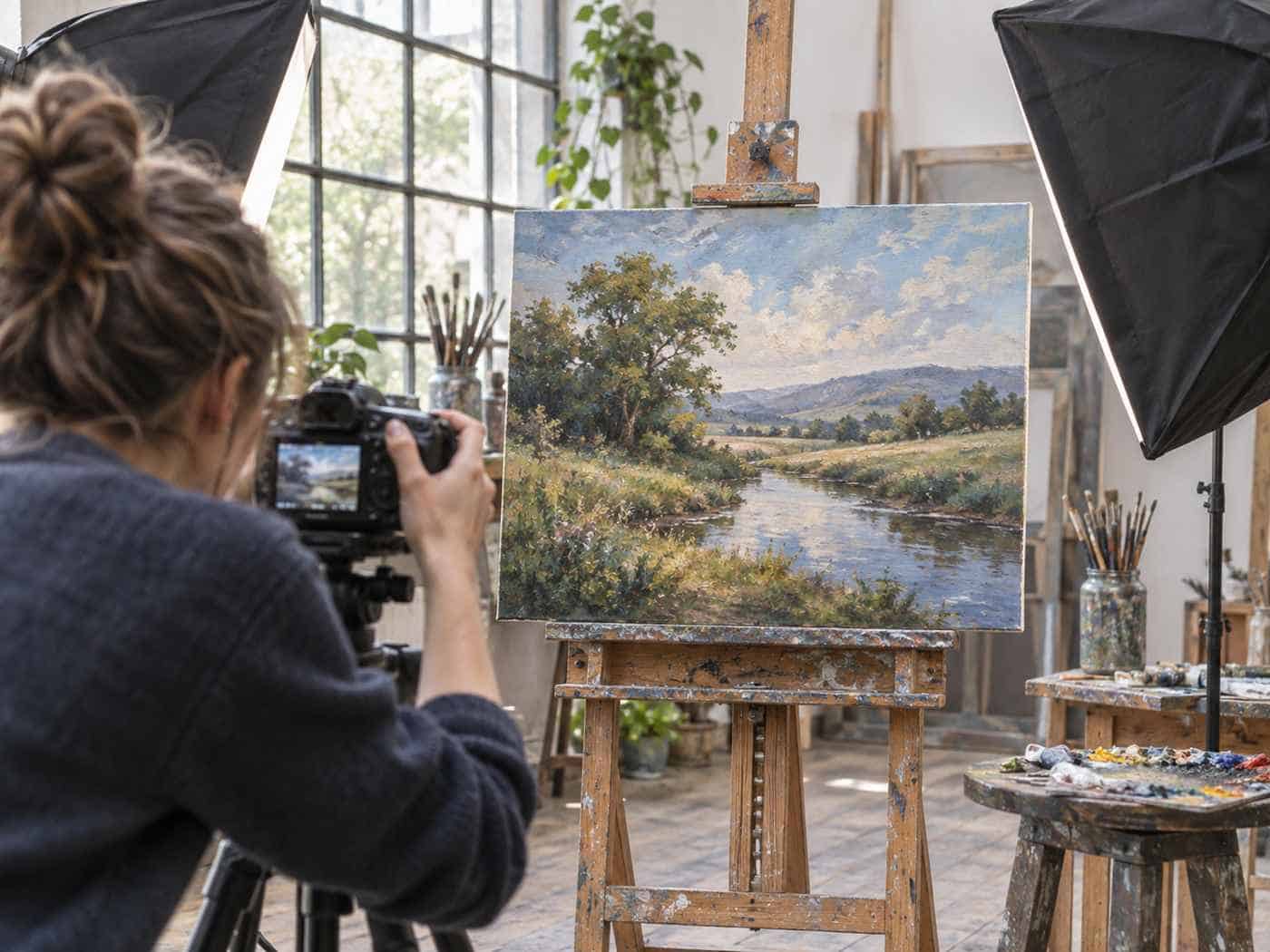
Photograph every work in good light, front and back, with a scale. Scan or photograph scores, sketchbooks and letters. Keep copies of audio and video in more than one place. In 1995 the Estate Project gave grants specifically for photographing and videotaping artwork and for notating dances, because so much existed only in one fragile copy.
Digital files need care too. Use open file formats where you can, name files with your inventory number, and keep a backup offsite. A clear folder structure is worth more than expensive software.
Step 5: plan for archives
Ask early which institutions might accept your papers or a group of works. Libraries, university special collections and museum archives each have their own interests and limits. The New York Public Library, for example, holds papers of composers such as Calvin Hampton and Kevin Oldham, and the records of the Estate Project itself. Most archives prefer to be approached while the artist is alive, with a clear description of what exists.
Funds matter. Storage, insurance, cataloguing and shipping cost money. The attorney workbook from the Joan Mitchell Foundation and the Arts and Business Council of Greater Boston advises leaving liquid resources and naming who may spend them on the work.

Step 6: deal with copyright
Owning a painting is not the same as owning the right to reproduce it. Your will should say who owns copyright in your work, which may be different from who owns the objects. Keep copies of contracts, licences and publishing agreements. For music, note any performing-rights society membership and publisher deals, because royalties may keep coming for years.
Step 7: write down your wishes
Alongside the legal documents, many artists write a letter of wishes. It might say which works must never be sold, which early pieces can be destroyed, how the work should be shown, and who should be consulted. It is not always binding, but it guides the people you trust.

Key takeaways
- Without a will, the law decides who owns your work and your copyright.
- Name an executor and consider a cultural executor who understands the art.
- An inventory linked to good photographs is the most useful thing you can leave.
- Approach archives early and leave funds for storage and cataloguing.
- Free workbooks from the Joan Mitchell Foundation cover all of these steps.
Common questions
Do I need a lawyer to plan my estate as an artist?
For a will and any trust, yes, ideally one who has worked with artists. You can do the inventory, photographs and letter of wishes yourself before you meet them, which saves time and money.
What is a cultural executor?
A person you name to look after the artistic side of your estate, such as sales, exhibitions, licences and archives, or to advise your legal executor on those decisions.
How long does copyright last after an artist dies?
In the United States and the European Union it is generally the author’s life plus 70 years. Other countries vary.
Is estate planning only for artists who are ill?
No. Future Safe told every artist, regardless of health, to plan. Accidents and sudden illness happen at any age.
Where can I find free estate planning workbooks for artists?
The Joan Mitchell Foundation publishes free workbooks for artists and for their attorneys and executors, plus a career documentation guide.
For the artists whose losses made this advice urgent, read our pages on composers lost to AIDS and dancers and choreographers lost to AIDS.
How we wrote this: This guide summarises published workbooks from the Joan Mitchell Foundation and the Arts and Business Council of Greater Boston, the Estate Project’s records at The New York Public Library, and contemporary reporting. It is general information, not legal advice. Last checked November 2026.
Sources
- Joan Mitchell Foundation: Legacy planning tools
- Joan Mitchell Foundation: Estate Planning for Visual Artists
- Joan Mitchell Foundation: Career Documentation for the Visual Artist
- Estate Planning for Visual Artists: A Workbook for Attorneys and Executors (PDF)
- The New York Public Library: Estate Project for Artists with AIDS records
- The New York Public Library: Kevin Oldham papers
- Miami New Times: Gone but maybe not forgotten